
Dr Max’s view

Why I chose it

I’m a big fan of Vitamin C as an antioxidant, particularly L-ascorbic acid for those who can tolerate it because of the strong evidence base for supporting collagen synthesis and helping to prevent hyperpigmentation.

I’ve also got a thing for PHAs, not only are they also potent anti-oxidants but they also help with gentle exfoliation in even the most sensitive skin types. Neostrata has both of these things in (well balanced) bucket loads and is formulated to perfection. The green tea and feverfew extract is a bonus.

Dr Max GreenfieldMBBS, BSc, MRCS(Eng)

Routine placement

Where this fits

A broad guide to where this sits, without assuming how many steps your routine has.

Usual time of use: Morning
Comes afterCleansing and any toner or mist
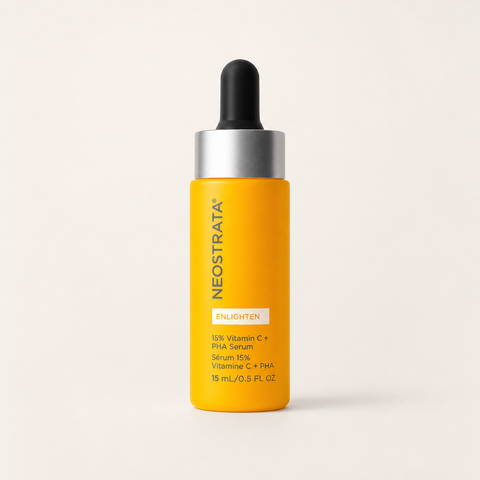
This product NeoStrata 15% Vitamin C and PHA Serum
Comes beforeOther leave-on products and SPF
Curate your full skincare routine
How to introduce it

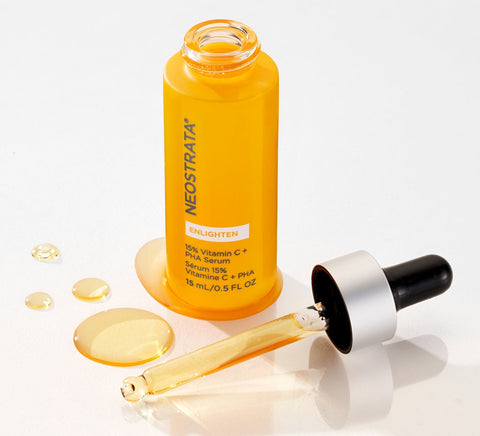
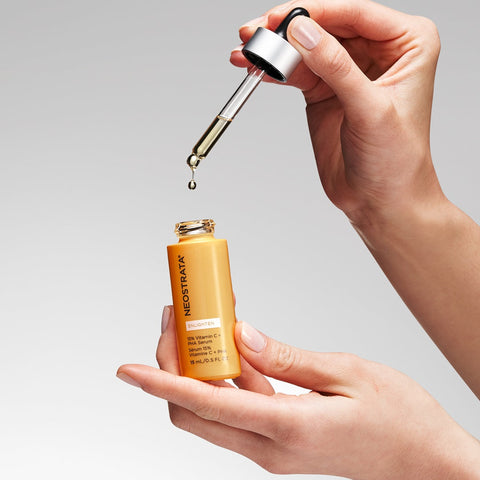
As it’s such a thin product it should be applied early in your routine and can be used both morning and evening. After cleansing (and toning if this is in your routine) use the pipette and pop 5-6 drops in the palm of your hand. Using a finger on the other hand gently massage the product into your face and neck - you’ll need a couple more drops if you want to treat your chest. Allow to dry for a couple of minutes before applying any other products over the top.

You shouldn’t be getting any irritation with this product but worth starting with once daily use for the first two weeks before building up to twice daily. 

A big no-no for this product (or any others that have a pipette) is to not let the pipette touch your skin, be it your hand or your face - although the products are well preserved we don’t want any bacteria growing in it.

L-ascorbic acid isn’t the most stable molecule and it’s really important that you keep it in a cool and dark place.

Guidance continues after purchase. We can help you introduce, simplify or adjust this product.

Inside the formula

The ingredients that make this special

A closer look at the ingredients doing the most meaningful work in this formula—and what the evidence can reasonably tell us.

Ascorbic acid

The most researched form of Vitamin C, proven to support collagen production and improve pigmentation.

Read the clinical context

Ascorbic acid is the most studied form of Vitamin C and has strong evidence behind it for reducing the harmful activity of free radicals on the skin. These free radicals contribute to signs of skin aging including collagen and elastin breakdown, DNA damage and pigmentation.

Gluconolactone

A PHA that very gently exfoliates and helps to support the skin barrier and calm redness.

Read the clinical context

Gluconolactone is a polyhydroxy acid (PHA) that not only acts as a potent antioxidant but also helps to very gently chemically exfoliate without causing any sensitivity. Gentle exfoliation from PHAs like gluconolactone helps to support the skin barrier and keep it functioning properly, reducing the amount of water that’s lost from the skin and preventing sensitivity.

Green Tea Extract

Highly potent antioxidant ideal for sensitive skin helping to reduce redness and inflammation.

Read the clinical context

Green Tea Extract is an exceptionally potent antioxidant which helps to mop up skin damaging free radials. The beauty of green tea polyphenols is that they cause little to no sensitivity making them ideal for those with sensitive skin or inflammatory skin conditions like acne and rosacea.

Feverfew Extract

Highly antioxidant compound that supports the action of Vitamin C.

Read the clinical context

Feverfew Extract doesn’t have as much evidence behind it as vitamin C or green tea polyphenols but is known to be highly antioxidant and small studies have shown reduction in redness and skin sensitivity making it the perfect support to Vitamin C and other antioxidants.

View the complete ingredients list

Propanediol, Aqua/Water/Eau, Ascorbic Acid, Gluconolactone, Citric Acid, Epigallocatechin Gallate, Chrysanthemum Parthenium (Feverfew) Flower/Leaf/Stem Juice, Pentylene Glycol, Sodium Metabisulfite, Sodium Hydroxide, Caprylyl Glycol, Sodium Benzoate, Potassium Sorbate, Phenoxyethanol

The thinking behind the formula

More about NeoStrata

NeoStrata grew from the work of dermatologists Dr Eugene Van Scott and Dr Ruey Yu, whose research helped establish the use of alpha hydroxy acids in modern skincare. The brand has continued to develop acid-based technologies, including polyhydroxy acids, with an emphasis on how active ingredients are formulated and tolerated.

That history is relevant to the Restore Cleanser: gluconolactone is not included simply because acids are fashionable, but as part of a gentle formula intended to support comfortable, consistent cleansing.