
Dr Max’s view

Why I chose it

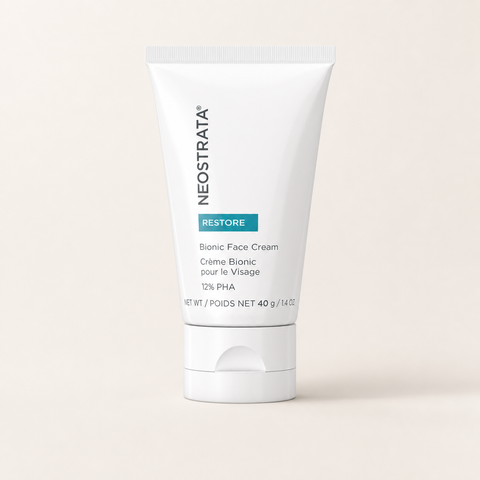
I appreciate that the Neostrata Bionic Face Cream isn’t for everyone. It’s not cheap and it’s too intense for most but the reason I love it is because it’s more than just a simple moisturiser. It’s packed full of PHAs (gluconolactone and lactobionic acid) which help to improve skin hydration, repair the skin barrier and very very gently exfoliate without causing sensitivity or irritation. 

It’s this 2-in-1 formulation that both protects and treats the skin when it’s having a tough day that has earned it its place in The Curatory.

Dr Max GreenfieldMBBS, BSc, MRCS(Eng)

Routine placement

Where this fits

A broad guide to where this sits, without assuming how many steps your routine has.

Comes afterTreatment products
This product NeoStrata Bionic Face Cream
Comes beforeSPF
Comes afterOther leave-on products
This product NeoStrata Bionic Face Cream
Comes beforeBed
Curate your full skincare routine
How to introduce it

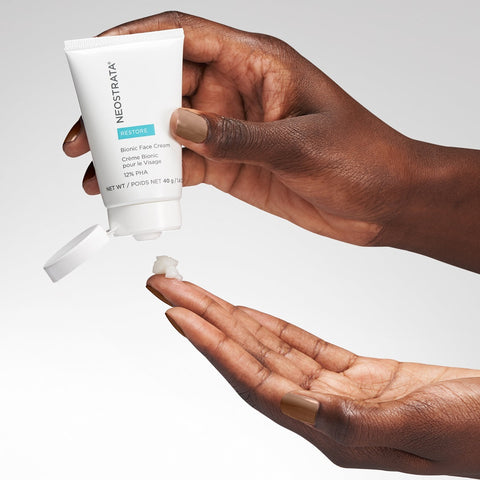
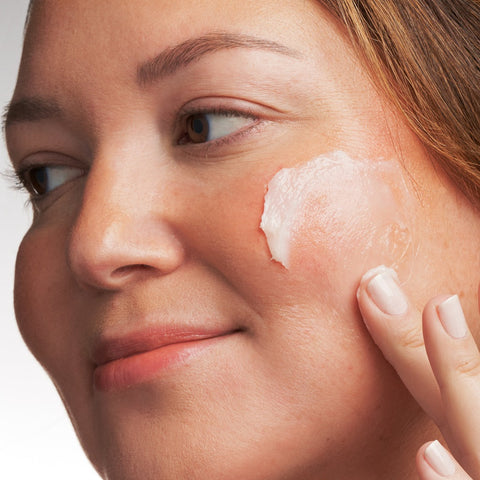
A little goes a long way with the Bionic Face Cream. I suggest using it sparingly and then adding more if you need. Start with a pea-sized amount (large garden pea) and massage it it into your face. You may need a little more than this for your neck. This should form a thin layer and a slightly occlusive film on your skin.

You can use this in the morning and evening although most people find that it’s best for the evening as the last step in your routine as a night cream. In the morning you may find that other products like makeup don’t sit well on top of it. 

Guidance continues after purchase. We can help you introduce, simplify or adjust this product.

Inside the formula

The ingredients that make this special

A closer look at the ingredients doing the most meaningful work in this formula—and what the evidence can reasonably tell us.

Gluconolactone

A PHA that very gently exfoliates and helps to support the skin barrier and calm redness.

Read the clinical context

Gluconolactone is a polyhydroxy acid (PHA) that not only acts as a potent antioxidant but also helps to very gently chemically exfoliate without causing any sensitivity. Gentle exfoliation from PHAs like gluconolactone helps to support the skin barrier and keep it functioning properly, reducing the amount of water that’s lost from the skin and preventing sensitivity.

Lactobionic Acid

A gentle PHA exfoliant that supports hydration and the skin barrier.

Read the clinical context

Lactobionic acid is a polyhydroxy acid (PHA) that provides very mild chemical exfoliation while also acting as a humectant, helping the skin retain water. Unlike stronger exfoliating acids, PHAs have good evidence for being better tolerated by sensitive and rosacea-prone skin. Small clinical studies suggest lactobionic acid may also help improve skin texture and reduce visible signs of ageing, although larger studies are needed to fully define these effects.

Meadowfoam Seed Oil

A lightweight emollient that helps soften the skin and support the skin barrier.

Read the clinical context

Meadowfoam Seed Oil is rich in long-chain fatty acids that help smooth the skin surface and reduce moisture loss. Its moisturising and barrier-supporting effects are well recognised in cosmetic science, while claims around antioxidant or anti-ageing benefits are based mainly on laboratory data rather than large clinical studies. It is particularly valued for being stable, non-greasy and well tolerated by sensitive and acne-prone skin.

Arginine

An amino acid that helps support hydration and skin comfort.

Read the clinical context

Arginine is a naturally occurring amino acid that plays a role in skin hydration and barrier function by supporting the skin’s natural moisturising factors. Some laboratory and small clinical studies suggest it may also support skin repair and antioxidant activity, but more robust evidence is needed to confirm these effects in topical skincare. In formulations it is most reliably used to support hydration and overall skin comfort.

View the complete ingredients list

Aqua/Water/Eau, Gluconolactone, Cyclopentasiloxane, Lactobionic Acid, Propylene Glycol, Ethylhexyl Hydroxystearate, Cyclohexasiloxane, Triethanolamine, Limnanthes Alba (Meadowfoam) Seed Oil, Glycerin, Arginine, C12-15 Alkyl Ethylhexanoate, Glycol Distearate, Octyldodecyl Myristate, Stearyl Alcohol, PEG-100 Stearate, Glyceryl Stearate, Ethoxydiglycol, Hydrogenated Vegetable Oil, Petrolatum, Dimethicone, Algae Extract, Hydrogenated Lecithin, Phosphatidylcholine, Sodium Hyaluronate, Palmitic Acid, Stearic Acid, Myristic Acid, Steareth-2, Caprylic/Capric Myristic/Stearic Triglyceride, Hydroxyethylcellulose, Xanthan Gum, Polyacrylamide, C13-14 Isoparaffin, Laureth-7, Caprylyl Glycol, Disodium EDTA, Sodium Sulfite, Sodium Bisulfite, Phenoxyethanol, Chlorphenesin, Yellow 5 (CI 19140), Red 33 (CI 17200).

The thinking behind the formula

More about NeoStrata

NeoStrata grew from the work of dermatologists Dr Eugene Van Scott and Dr Ruey Yu, whose research helped establish the use of alpha hydroxy acids in modern skincare. The brand has continued to develop acid-based technologies, including polyhydroxy acids, with an emphasis on how active ingredients are formulated and tolerated.

That history is relevant to the Restore Cleanser: gluconolactone is not included simply because acids are fashionable, but as part of a gentle formula intended to support comfortable, consistent cleansing.