
Dr Max’s view

Why I chose it

What I like about InterFuse EYE is that the formulation focuses on hydration and skin quality rather than relying on one fashionable ingredient.

The immediate value is likely to come from hydration and a smoother-looking surface. Peptides may provide longer-term support, but expectations should remain measured and consistent use matters.

At this price, it only makes sense if you specifically want a dedicated eye product and enjoy using it. Many people will be well served by a carefully applied facial moisturiser, and that is the better-value option when it is comfortable around the eyes.

Dr Max GreenfieldMBBS, BSc, MRCS(Eng)

Routine placement

Where this fits

A broad guide to where this sits, without assuming how many steps your routine has.

Comes afterCleansing
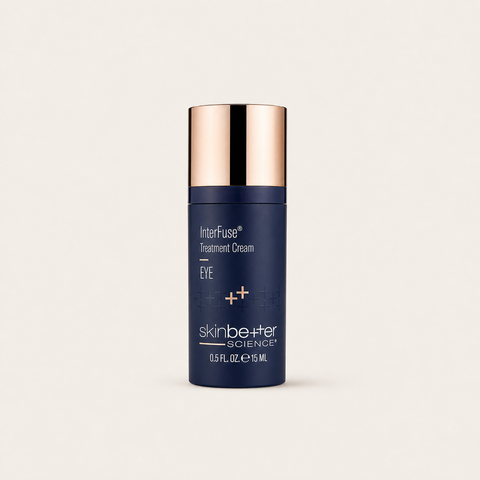
This product SkinBetter Science InterFuse Intensive Treatment EYE
Comes beforeOther leave-on products and SPF
Comes afterCleansing
This product SkinBetter Science InterFuse Intensive Treatment EYE
Comes beforeOther leave-on products and moisturiser
Curate your full skincare routine
How to introduce it

Apply a small amount around the orbital bone morning and/or evening, avoiding direct eye contact. Pat gently rather than rubbing and reduce use if the area becomes irritated.

Guidance continues after purchase. We can help you introduce, simplify or adjust this product.

Inside the formula

The ingredients that make this special

A closer look at the ingredients doing the most meaningful work in this formula—and what the evidence can reasonably tell us.

Niacinamide

Antioxidant and anti-inflammatory that helps to improve skin barrier and reduce pigmentation and redness.

Read the clinical context

Niacinamide is a jack of all trades ingredient. Most of its evidence base is for improving pigmentation but also acts as an anti-oxidant ingredient helping to reduce redness and inflammation as well as supporting skin barrier function.

Hyaluronic Acid

A potent hydrating ingredient that draws water towards it.

Read the clinical context

Hyaluronic Acid is a moisturising ingredient that helps boost hydration in the skin when combined with other moisturising agents. It falls into the category of humectant moisturisers that draw water into the upper layers of the skin. Works best when combined with emollient and occlusive moisturisers.

Glycerin

A well-established humectant that supports hydration and the skin barrier.

Read the clinical context

Glycerin has strong evidence for its ability to attract and retain water within the skin, improving hydration and supporting the barrier. Its benefits are well documented in dermatology, and regular use helps reduce dryness, improve skin comfort and maintain a healthy, resilient skin barrier across all skin types.

View the complete ingredients list

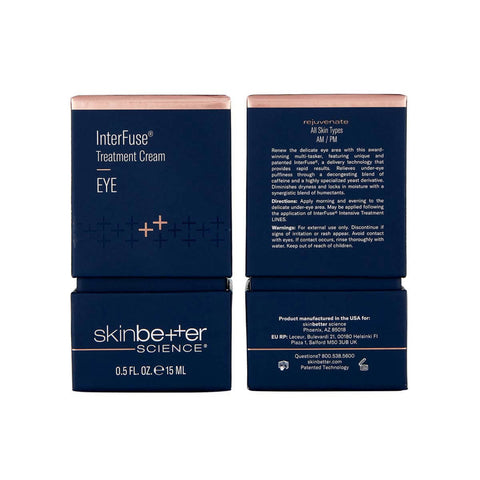
Aqua/Water, Caprylyl Methicone, Glycerin, Jojoba Esters, Niacinamide, PEG-16 Macadamia Glycerides, Cetearyl Alcohol, Glyceryl Stearate, Ceteareth-20, PEG-100 Stearate, Caprylic/Capric Triglyceride, Alcohol Denat., Palmitoyl Tripeptide-38, Caffeine, s-Mu-conotoxin CnIIIC Acetate, Copper Lysinate/Prolinate, Hydrolyzed Lupine Protein, Terminalia Ferdinandiana Fruit Extract, Methylglucoside Phosphate, Sodium Hyaluronate, Saccharomyces Cerevisiae Extract, Arginine, Glycine, Hydroxypropyl Cyclodextrin, Carbomer, Hexylene Glycol, Citric Acid, Sodium Hydroxide, Ethylhexylglycerin, Caprylyl Glycol, Phenoxyethanol.

The thinking behind the formula

More about SkinBetter Science

SkinBetter Science was established in 2016 by a team with backgrounds in dermatologic and aesthetic medicine. The brand develops clinician-dispensed skincare around proprietary technologies, formulation work and brand-sponsored clinical testing; it is now part of L’Oréal Dermatological Beauty.

Its range includes AlphaRet products, which combine a retinoid with an alpha hydroxy acid, alongside peptide-led InterFuse products and supportive skincare. These are different product families with different roles, rather than one formula being representative of the whole brand.