Dr Max’s view

Why I chose it

This earns its place because it brings two useful active approaches into one carefully formulated product: retinoid-led support for texture and tone, plus salicylic acid for congestion.

That combination can simplify an advanced routine, but the price and potency only represent value when the product genuinely matches your skin and you can use it consistently.

Dr Max GreenfieldMBBS, BSc, MRCS(Eng)

Routine placement

Where this fits

A broad guide to where this sits, without assuming how many steps your routine has.

Usual time of use: Evening
Comes afterCleansing and lighter leave-on products
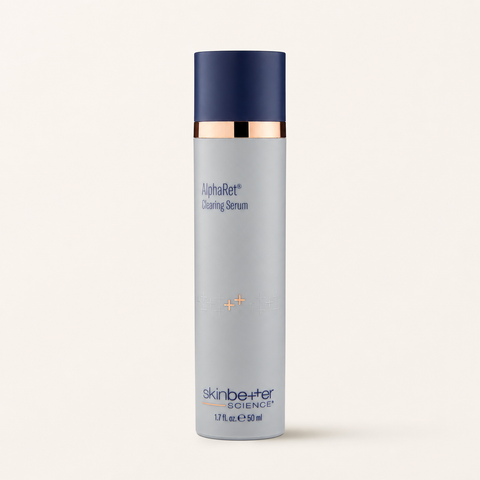
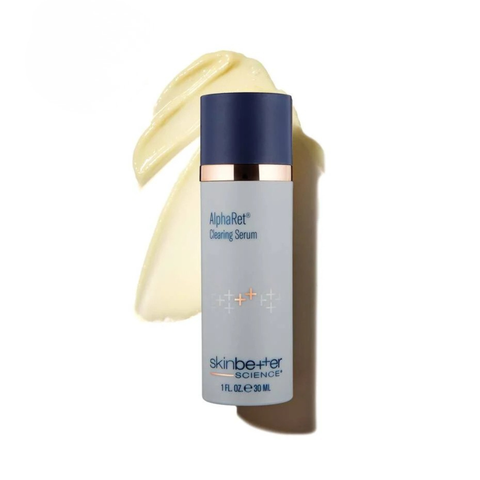
This product SkinBetterScience AlphaRet Clearing Serum
Comes beforeMoisturiser
Curate your full skincare routine
How to introduce it

Apply a pea-sized amount in the evening to clean, dry skin. Begin on two non-consecutive evenings each week and increase gradually only if comfortable. Follow with moisturiser and wear broad-spectrum sunscreen every morning.

Avoid stacking it with another retinoid or strong exfoliating acid at first. Reduce frequency or pause if irritation persists. The existing access check remains part of making sure this advanced product is appropriate.

Guidance continues after purchase. We can help you introduce, simplify or adjust this product.

Inside the formula

The ingredients that make this special

A closer look at the ingredients doing the most meaningful work in this formula—and what the evidence can reasonably tell us.

AlphaRet®

A patented retinoid blend designed to improve skin texture and reduce visible signs of ageing with less irritation.

Read the clinical context

AlphaRet® is a proprietary ingredient that combines a retinoid with an alpha hydroxy acid in a single molecule. Small clinical studies, largely manufacturer-sponsored, suggest it can improve the appearance of fine lines, uneven texture and pigmentation while being better tolerated than traditional retinoids. As with other vitamin A–based ingredients, results are gradual and depend on consistent use. Independent large-scale trials are limited, so while early data is promising, it should be viewed as an advanced cosmetic retinoid rather than a prescription-strength treatment.

Salicylic acid

An exfoliating BHA that helps to increase skin cell turnover and support the treatment of acne.

Read the clinical context

Salicylic acid is a betahydroxy acid (BHA) that has a number of benefits, particularly for acne-prone skin. Its most well studied benefit is as a chemical exfoliant, particularly when with a lower pH. This increases how quickly skin cells turnover, bringing healthy skin cells to the surface. It’s also a hydrophobic or oil-loving molecule so helps to break down excess sebum and unclog the oxidised sebum trapped in pores (black heads). If that weren’t enough, salicylic acid is also anti-inflammatory and helps to calm redness associated with acne.

Niacinamide

Antioxidant and anti-inflammatory that helps to improve skin barrier and reduce pigmentation and redness.

Read the clinical context

Niacinamide is a jack of all trades ingredient. Most of its evidence base is for improving pigmentation but also acts as an anti-oxidant ingredient helping to reduce redness and inflammation as well as supporting skin barrier function.

Hyaluronic Acid

A potent hydrating ingredient that draws water towards it.

Read the clinical context

Hyaluronic Acid is a moisturising ingredient that helps boost hydration in the skin when combined with other moisturising agents. It falls into the category of humectant moisturisers that draw water into the upper layers of the skin. Works best when combined with emollient and occlusive moisturisers.

Zinc PCA

A mineral-based ingredient that helps control oil and support blemish-prone skin.

Read the clinical context

Zinc PCA combines zinc with a component of the skin’s natural moisturising factors (PCA), allowing it to help regulate excess oil while maintaining hydration. There is moderate evidence, including small clinical studies, suggesting it can help reduce sebum levels and support acne-prone skin. Laboratory data also supports its anti-inflammatory and antimicrobial properties. It is generally well tolerated and commonly used in formulations designed to balance oily skin without causing dryness.

View the complete ingredients list

Aqua/Water, Lactic Acid, Sodium Lactate, Pentylene Glycol, Ethylhexyl Olivate, Sorbitan Stearate, Neopentyl Glycol Diethylhexanoate, PPG-3 Isostearyl Methyl Ether, Glycerin, Dimethyl Isosorbide, Glyceryl Stearate, PEG-100 Stearate, Magnesium Aluminum Silicate, Niacinamide, Zinc PCA, Steareth-2, Ethyl Lactyl Retinoate, Salicylic Acid, Oligopeptide-10, Sodium Hyaluronate, Decylene Glycol, Artemisia Vulgaris Extract, Bisabolol, Tocopheryl Acetate, Camellia Sinensis Leaf Extract, Laminaria Digitata Extract, Tasmannia Lanceolata Fruit/Leaf Extract, Boswellia Serrata Extract, Zingiber Officinale (Ginger) Root Extract, Honey Extract, Oryza Sativa (Rice) Bran Extract, Cetearyl Alcohol, Butylene Glycol, Xanthan Gum, Lecithin, Sclerotium Gum, Disodium EDTA, Pullulan, Ethylhexylglycerin, Silica, Phenoxyethanol, Sodium Benzoate.

The thinking behind the formula

More about SkinBetter Science

SkinBetter Science was established in 2016 by a team with backgrounds in dermatologic and aesthetic medicine. The brand develops clinician-dispensed skincare around proprietary technologies, formulation work and brand-sponsored clinical testing; it is now part of L’Oréal Dermatological Beauty.

Its range includes AlphaRet products, which combine a retinoid with an alpha hydroxy acid, alongside peptide-led InterFuse products and supportive skincare. These are different product families with different roles, rather than one formula being representative of the whole brand.